
University of Newcastle 紐卡索大學:澳洲第一個 5 年制 MBBS、Hunter Region 工業重鎮、NSW 區域加分雙旗艦
發布於 2026年2月11日
QS 2026 全球約 #280、NSW(新南威爾斯州)兩大區域加分名校之一的 University of Newcastle(紐卡索大學,俗稱 UON),是台灣留學家庭與臥龍崗(UOW)並稱的「NSW 雙區域名校」。如果說 UOW 是「南海岸鋼鐵旗艦」,那 UON 就是「北海岸醫學與工程旗艦」——它是澳洲第一個推出 5 年制本科 MBBS(Bachelor of Medicine and Bachelor of Surgery)醫學學程的大學(1978 年)、是Hunter Region 工業重鎮(澳洲最大煤炭出口港、BHP 鋼鐵起家地)的學術核心、是John Hunter Hospital(NSW 北部最大教學醫院)的長期合作夥伴、更是Architecture 與 Engineering 全澳前段班的研究型大學。
UON 的策略價值與 UOW 類似,但定位互補:UOW 強在 Materials / Mining Engineering、UON 強在 Medicine / Architecture / Engineering / Education;UOW 主校區是「海岸城市 + 雪梨通勤」、UON 主校區 Callaghan 是「澳洲少數位於 Hunter Region 雨林與煤礦交界的真正大學校園」。Newcastle 是 NSW Designated Regional Area 區域指定區,這個身份讓 UON 國際生畢業後可享:485 簽證 +1 年區域延長 + 491 / 191 區域 PR 簽證 +5 點數加成 + NSW 州提名 190 / 491 優先處理。
UON 的存在感被三件事壓制:一是 UNSW 與 USyd 的 Go8 光環、二是「Newcastle」這個名字在台灣家長腦中等同於英國 Newcastle 而非澳洲城市、三是台灣家長對 Hunter Region 工業歷史的陌生。但這三個誤解都不對。從 PR 策略角度看,UON 是台灣家庭「醫學 + 工程 + PR」三項組合的隱藏選項——學費比雪梨主流大學便宜 AUD 5,000-10,000/年、生活費低於雪梨 CBD 約 30-40%、Medicine 與 Architecture 全澳前段班、與 BHP / Origin Energy / Sandvik 合作的 SMART 5G 通訊研究、PR 點數加成完整、又能週末搭火車 2 小時到雪梨享受都會生活。這篇文章我會把 UON 的真實樣貌、與 UOW 的真實互補、Hunter Region 的策略價值一次講清楚。
一、基本資料
| 項目 | 內容 |
|---|---|
| 創校 | 1965 年(前身可追溯至 1951 年的 Newcastle University College,原為 UNSW 分校) |
| 命名來源 | Newcastle, NSW(澳洲第二古老的英國殖民地之一,1797 年由英國殖民者命名) |
| 地點 | Newcastle, NSW(Callaghan 主校區)+ Newcastle City + Central Coast Ourimbah + Sydney + Singapore |
| 校園 | Callaghan 主校區約 140 公頃(澳洲最大綠地校園之一,雨林環抱) |
| 學部生 | ~27,000 |
| 研究生 | ~10,000 |
| 學生總數 | 約 37,000(含海外校區) |
| 師生比 | 1:22 |
| 校訓 | I look ahead(我向前看) |
| 集團身分 | IRU(Innovative Research Universities)核心成員 + NUW Alliance(與 UNSW、UOW 組成的研究聯盟)+ NSW Designated Regional Area 區域加分 |
UON 的歷史源頭是 1951 年 UNSW 在 Newcastle 設立的 Newcastle University College(為 Hunter Region 鋼鐵業礦業培育工程人才)——1965 年獨立為大學,與 UOW 同樣有「UNSW 分校獨立」的血統。UON 是少數同時屬於 IRU 與 NUW Alliance 的大學——這個雙重身份讓 UON 與 UNSW、UOW 共享工程研究資源,同時保有 IRU 創新研究聯盟的醫學、教育、社會科學資源。
二、世界排名
| 排名 | 名次 |
|---|---|
| QS World 2026 | 約 #280 |
| THE World 2026 | #201-250 |
| ARWU / Shanghai 2024 | #201-300 |
| QS Architecture | 全球 Top 100 |
| QS Nursing | 全球 Top 50 |
| QS Engineering - Mining & Mineral | 全球 Top 50 |
| QS Engineering - Civil & Structural | 全球 Top 150 |
| QS Medicine | 全球 Top 200 |
| QS Education | 全球 Top 150 |
| QS Communication & Media Studies | 全球 Top 200 |
UON 在 QS 整體排名上落在 Go8 之後,但Architecture、Nursing、Mining Engineering 全球前段班——這些科系背後是 UON 在 Hunter Region 礦業、John Hunter Hospital、澳洲建築教育產業的長年積累。Times Higher Education(THE)給 UON #201-250,與 QS 接近——對於想念 Medicine、Architecture、Engineering、Nursing 的台灣學生,UON 在這些科目的全球排名與 USyd、UNSW 同級。
三、錄取數據(國際生 2026 申請年度)
| 指標 | 數值 |
|---|---|
| 國際生 ATAR equivalent | 70-95(依學程) |
| IB Diploma | 26-36 分(Medicine pathway 須 36+) |
| 台灣高中 GPA 約略門檻 | 在校排名前 30-50% + 中上成績(Medicine 須前 5%) |
| IELTS 要求 | 6.5(單項 6.0);Medicine、Education、Nursing 7.0 |
| TOEFL iBT | 79(含 Writing 21) |
| 申請費 | 免申請費 |
| 國際生佔比 | 約 25% |
| Bachelor of Medicine and Bachelor of Surgery (MBBS) 入學門檻 | ATAR 95+ / IB 36+ + UCAT + 面試 |
| Bachelor of Engineering (Honours) 入學門檻 | ATAR 75 / IB 28 |
| Bachelor of Architecture 入學門檻 | ATAR 80 / IB 30 + 作品集 |
| Bachelor of Nursing 入學門檻 | ATAR 75 / IB 28 |
| Bachelor of Business 入學門檻 | ATAR 70 / IB 26 |
| Bachelor of Computer Science 入學門檻 | ATAR 75 / IB 28 |
國際生
- 國際生佔比 約 25%——比雪梨 USyd / UNSW 略低
- 來自 100+ 國家,中國、印度、馬來西亞、印尼、越南、中東學生比例最高
- 台灣學生每年註冊約 50-80 人(含本碩、含 UON Singapore)
- 重要:UON 採直接申請制(免申請費);MBBS 醫學學程競爭極激烈,須通過 UCAT 入學測驗 + 面試,國際生名額約每年 10-15 名
- UON 接受台灣高中體系的高三在校成績 + 學測成績,門檻較 USyd / UNSW 寬鬆(Medicine 除外)
四、學費與財務援助
2026 學年度國際生學費(年費)
| 學程類別 | AUD 年學費 | NTD 換算(AUD 1 = NTD 22.6) |
|---|---|---|
| Bachelor of Arts | 約 AUD 32,000 | 約 NTD 72 萬 |
| Bachelor of Business | 約 AUD 36,000 | 約 NTD 81 萬 |
| Bachelor of Engineering (Honours) | 約 AUD 41,000 | 約 NTD 93 萬 |
| Bachelor of Architecture | 約 AUD 39,000 | 約 NTD 88 萬 |
| Bachelor of Computer Science | 約 AUD 40,000 | 約 NTD 90 萬 |
| Bachelor of Nursing | 約 AUD 35,000 | 約 NTD 79 萬 |
| Bachelor of Education | 約 AUD 31,000 | 約 NTD 70 萬 |
| Bachelor of Medicine and Bachelor of Surgery(MBBS) | 約 AUD 78,000 | 約 NTD 176 萬 |
| Master of Architecture | 約 AUD 41,000 | 約 NTD 93 萬 |
| Master of Engineering | 約 AUD 41,000 | 約 NTD 93 萬 |
| Master of Information Technology | 約 AUD 40,000 | 約 NTD 90 萬 |
| Master of Public Health | 約 AUD 39,000 | 約 NTD 88 萬 |
| 生活費(Newcastle / Callaghan) | 約 AUD 22,000-28,000 | 約 NTD 50-63 萬 |
| 生活費(雪梨 CBD 對照) | 約 AUD 32,000-42,000 | 約 NTD 72-95 萬 |
4 年 Bachelor of Engineering (Honours) 總學費約 AUD 164,000(NTD 371 萬)——比 UNSW 同等學程便宜 AUD 30,000-40,000。Newcastle 生活費比雪梨 CBD 便宜 30-40%——4 年 Bachelor 總成本可比雪梨主流大學便宜 NTD 80-120 萬。5 年 MBBS 總學費約 AUD 390,000(NTD 882 萬)——比 USyd MD(Postgraduate)便宜約 NTD 150 萬。
獎助學金
- UON Vice-Chancellor's International Excellence Scholarship:本科生 25-50% 學費減免,需高 ATAR / IB
- UON International Scholarship:AUD 5,000-15,000 一次性
- Hunter Region Industry Scholarship:與 BHP、Origin Energy、Sandvik 合作的工程獎金
- STEM Female Excellence Scholarship:女性 STEM 學生獎金
- Medical Excellence Scholarship:MBBS 學程獎金(極少數)
- UON Regional Bursary:區域居住補助 AUD 2,000-5,000
對台灣家庭最現實的提醒:UON 的「Hunter Region Industry Scholarship」是其他學校給不了的優勢——BHP(必和必拓)、Origin Energy(澳洲最大能源公司之一)、Sandvik(瑞典工業集團)等 Hunter Region 大型企業直接贊助 UON 工程學生,部分附帶保證 internship + 畢業優先錄用機會。這個 pipeline 是 UNSW、USyd 在 Sydney CBD 拿不到的「在地產業綁定」。
五、學程結構:3 年 Bachelor + NSW 區域加分 + 澳洲第一個 5 年 MBBS
不走 Melbourne Model
UON 採英澳傳統 3 年 Bachelor結構(Engineering Honours 4 年、Architecture 5 年含 Master、MBBS 5 年)——18 歲就可以直接申請 Bachelor of Engineering、Bachelor of Architecture、Bachelor of Computer Science、Bachelor of Nursing,畢業就業或銜接 Master Coursework 1-2 年,比 Melbourne Model 早 2 年進入 485 倒數。
招牌「澳洲第一個 5 年制 MBBS」(台灣家庭最該記住的優勢)
UON 於 1978 年推出澳洲第一個 5 年制 Bachelor of Medicine and Bachelor of Surgery(MBBS)——這是高中畢業生 18 歲就可以申請的「直通醫學學位」,不必先讀 Bachelor of Biomedicine 再申請 Postgraduate MD。對比:
- Melbourne MD:必走 Melbourne Model,3 年 Bachelor of Biomedicine + 4 年 MD = 7 年
- USyd Doctor of Medicine(MD):3 年 Bachelor + 4 年 MD = 7 年
- UNSW Medicine:6 年 Bachelor of Medical Studies + Doctor of Medicine = 6 年
- UON MBBS:5 年直接畢業拿醫師資格(最短時程之一)
UON MBBS 採問題導向學習(Problem-Based Learning, PBL)——這個教學法在 1978 年由 UON 引進澳洲(受加拿大 McMaster University 啟發),是澳洲現代醫學教育的開創者。MBBS 學生從第一年起就到 John Hunter Hospital(NSW 北部最大教學醫院、Hunter New England Health District 旗艦)見習臨床。
MBBS 國際生名額極稀少:每年僅約 10-15 名,須通過 ATAR 95+ / IB 36+、UCAT 入學測驗、與多階段面試(Multiple Mini Interview, MMI)。如果你高中時就確定要當醫生、且競爭力夠強,UON MBBS 是「最短時程拿到澳洲醫師資格」的選項之一。
招牌「NSW Designated Regional Area 區域加分」
Callaghan 主校區(Newcastle)、Newcastle City 校區、Central Coast Ourimbah 校區均位於 NSW Designated Regional Area——對 PR 策略極關鍵:
- 在 Newcastle 或 Central Coast 完成至少 2 年學業的國際生,畢業後可申請:
- 485 簽證區域延長 +1 年(Master Coursework 標準 2 年變 3 年;Bachelor 持有者 2 年變 3 年)
- 191 區域 PR 簽證:完成區域畢業生簽證 + 區域工作後申請永久居留,移民點數 +5
- 491 區域技術移民簽證:透過 NSW 州提名走區域技術簽證,+15 點比 189 PR 點數加成更高
- Newcastle 是 NSW 第二大城市(人口 47 萬,比 Wollongong 大)——它不是偏遠 outback,而是澳洲第二古老的英國殖民地之一(1797 年)、有國際機場、有 Westfield、有澳洲最大煤炭出口港
- Newcastle 火車到雪梨 CBD 約 2 小時——比 Wollongong 略遠,但 Newcastle 自己已是真正都會,不依賴雪梨
招牌「SMART 5G 通訊與 Hunter Region 工業合作」
UON 的 SMART Infrastructure Technologies for the Industries of Tomorrow 是澳洲頂尖 5G 通訊與智慧工業研究中心——與 BHP、Origin Energy、Sandvik、澳洲 5G 通訊產業合作,研究 5G 在礦業自動化、智慧城市、能源管理的應用。這個研究中心年經費超過 AUD 4,000 萬,是 UON 在 NUW Alliance 中與 UNSW / UOW 並列的工程旗艦資產。
招牌學程
- Bachelor of Medicine and Bachelor of Surgery(MBBS):澳洲第一個 5 年制 MBBS,PBL 教學法開創者
- Bachelor of Architecture:與 USyd 並列 NSW 建築旗艦
- Bachelor of Engineering (Honours):Civil、Mechanical、Electrical、Mechatronics、Mining、Software 軌
- Bachelor of Computer Science:與 BHP、Microsoft、IBM 合作
- Bachelor of Information Technology:Cyber Security、Software Engineering 軌
- Bachelor of Nursing:與 John Hunter Hospital 合作(NSW 北部最大教學醫院)
- Bachelor of Education:澳洲頂尖師資培育學程之一
- Bachelor of Business:AACSB 認證
- Master of Architecture:建築專業學位(含註冊建築師資格)
- Master of Engineering:與 NUW Alliance 共享資源
- Master of Public Health:與 Hunter Medical Research Institute 合作
對台灣學生的意義
- 優點:3 年 Bachelor 短時程(Engineering 4 年、Architecture 5 年、MBBS 5 年);NSW 區域 485 +1 年 + 191 PR +5 點;MBBS 5 年最短醫學時程;學費比 USyd / UNSW 便宜 AUD 5,000-10,000/年;Hunter Region 工業 pipeline
- 缺點:QS 整體排名不如 Go8;台灣家長品牌認知度較低;距雪梨 CBD 2 小時(比 Wollongong 略遠)
- 顧問建議:如果你想念 Medicine、Architecture、Engineering、Nursing 並且重視 PR 策略,UON 是台灣家庭應該與 UOW 一起並列比較的選擇
六、校園文化 / 學校個性
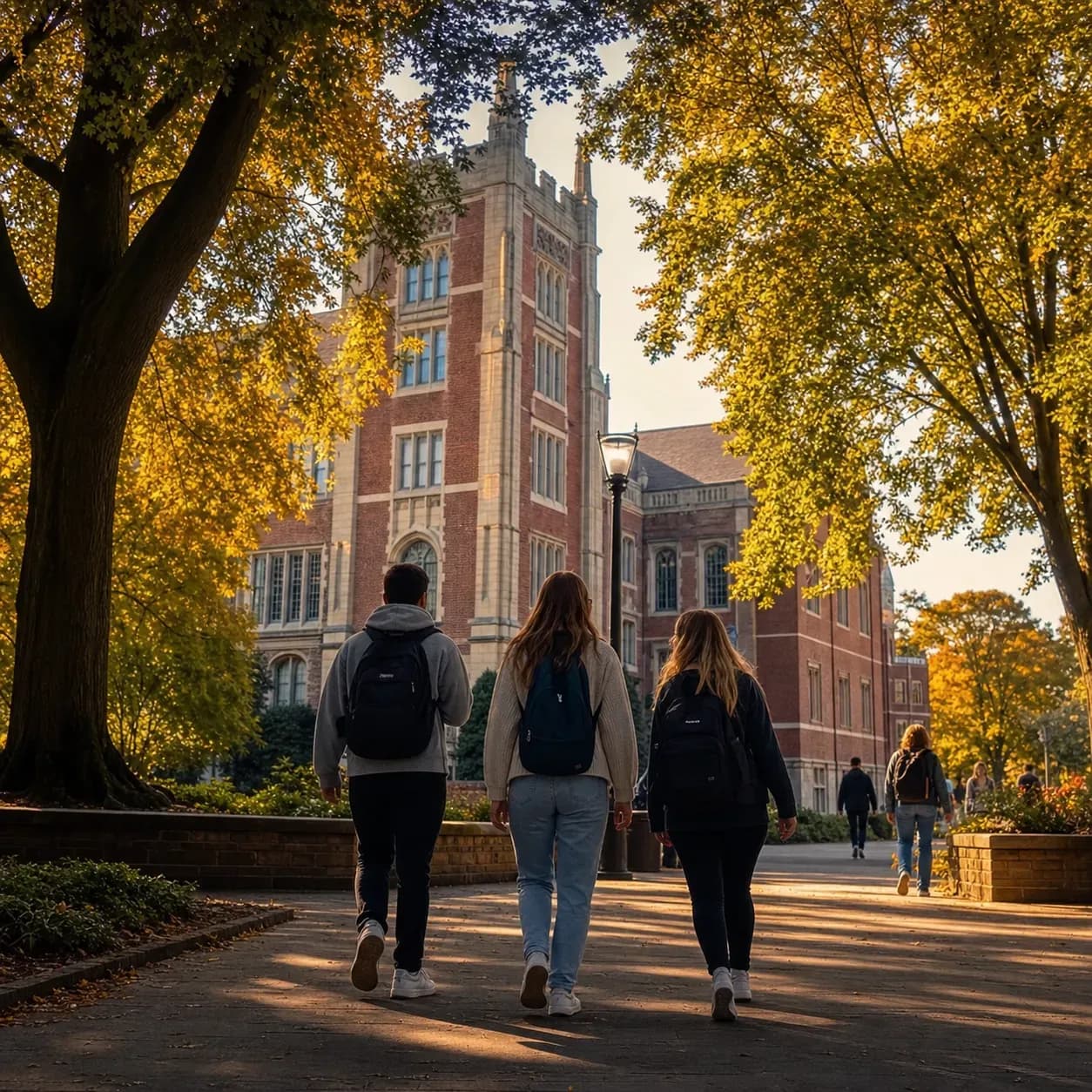
UON 的個性可以三個詞概括:雨林綠地、工業實務、Hunter 在地。它沒有 USyd 那種「百年磚紅建築 + 維多利亞古典感」、沒有 UNSW 的高樓工程氣質、也沒有 UOW 的衝浪海灘氣息——它是 NSW 北海岸一所「雨林環抱 + 工業歷史」的綜合大學,校園學生組成偏向Hunter Region 在地中產白人 + 中國 / 印度國際生 + 東南亞醫學國際生 + 在職進修護理生。
Newcastle 本身是 Hunter Region 的核心城市、人口 47 萬,是 NSW 第二大城市、僅次於雪梨。產業以鋼鐵製造(BHP 的起家地,雖然 BHP 鋼鐵廠已於 1999 年關閉)、煤炭出口(澳洲最大煤炭出口港,年出口超過 1.6 億公噸)、能源(Origin Energy 總部)、健康醫療(John Hunter Hospital)、教育、觀光為主。Newcastle 有澳洲頂尖衝浪海灘——Bar Beach、Nobbys Beach、Merewether Beach 都在 UON 主校區半小時車程內。
UON 的校園文化比 USyd / UNSW 更「悠閒、在地、戶外取向」——這裡的學生會把週末花在 Hunter Valley 葡萄酒區(澳洲最古老葡萄酒產區之一)品酒、在 Port Stephens 玩海豚追蹤、或搭火車到雪梨看 NRL 球賽。Callaghan 主校區位於雨林環抱的綠地——校園內有完整尤加利樹林、有袋熊與袋鼠出沒、有自然步道——這是澳洲少數「真正大自然環境」的綜合大學主校區。
學生社團
- University of Newcastle Students' Association (UNSA) 旗下超過 100 個社團
- UON Engineering Students' Society:與 BHP、Origin Energy 合作密切
- UON Medical Society:MBBS 學生主導
- UON Surfing Club
- Taiwanese Students' Association(UON TSA)
體育文化
- 不像 USyd / UNSW 有 NCAA 規模的體育產業
- 主要透過 Australian University Sports (UniSport) 跨校競賽
- 招牌:Rugby League、Rugby Union、Football(Soccer)、Surfing、Cricket
- Newcastle Knights NRL 球隊:UON 與 Newcastle Knights(國家橄欖球聯盟職業球隊)合作密切,運動科學學生有實習機會
七、地理位置 / 校園環境
城市定位
UON 採多校區策略:
| 校區 | 位置 | 距雪梨 CBD | 特色 |
|---|---|---|---|
| Callaghan(主校區) | Newcastle 西郊(雨林環抱) | 160 公里 / 火車 2 小時 | NSW Regional Designated Area PR 加分、主要學程、MBBS |
| Newcastle City | Newcastle CBD | 160 公里 / 火車 2 小時 | NSW Regional PR 加分、Business、Law、Architecture |
| Central Coast Ourimbah | Central Coast 中央海岸 | 80 公里 / 火車 1.5 小時 | NSW Regional PR 加分、護理、教育、社會科學 |
| Sydney CBD | Sydney CBD | CBD 內 | 進階商學與部分 Master 學程(不屬於區域加分) |
| UON Singapore | 新加坡 PSB Academy 合作 | – | 海外校區、Business、IT、Engineering |
Callaghan 主校區位於 Newcastle 西郊——校園面積約 140 公頃,雨林環抱、有完整步道與野生動物棲息地。這個校園是澳洲少數同時擁有都會機能(火車 25 分鐘到 Newcastle CBD)與自然環境(校園內雨林)的綜合大學主校區。
重要提醒:UON 在 Sydney CBD 的校區「不屬於 NSW Regional Designated Area」——在這個校區就讀無法拿到區域 485 +1 年或 191 +5 點 PR 加分。想拿區域加分,必須在 Callaghan、Newcastle City 或 Central Coast Ourimbah 完成至少 2 年學業。
Central Coast Ourimbah 校區是雙重甜蜜點——位於 NSW 中央海岸(介於 Newcastle 與雪梨之間),火車 1.5 小時到雪梨 CBD,比 Wollongong 通勤雪梨還方便,又能拿區域 PR 加分。對於想要「最靠近雪梨的區域校區」的台灣學生,Central Coast Ourimbah 是 NSW 兩大區域大學中通勤最便利的選項。
氣候
- 夏季(12-2 月):18-28°C,海岸調節溫和、海風常吹
- 冬季(6-8 月):8-18°C,比雪梨溫暖 1-2°C,不下雪
- Newcastle 氣候與 Wollongong 接近——夏天涼爽、冬天溫暖、海岸調節
校園地標
- UON Library(Auchmuty Library):主圖書館,藏書 100 萬冊
- NewSpace(Newcastle City 校區):UON 在 Newcastle CBD 的旗艦商業大樓,獲多項建築獎
- SMART Infrastructure Technologies Centre:5G 通訊與智慧工業研究中心
- Hunter Medical Research Institute(HMRI):與 John Hunter Hospital 共構的醫學研究中心
- The Forum(運動設施):奧運規格游泳池與健身房
- Callaghan 雨林步道:校園內完整尤加利樹林與野生動物棲息地
八、研究與資源
UON 是 IRU 與 NUW Alliance 雙重身份成員,年研究經費約 AUD 1.8 億——雖然不如 UNSW(AUD 4 億)、USyd(AUD 5 億),但在Medicine、Architecture、Mining Engineering、Public Health 領域全球頂尖。
重點研究機構
- Hunter Medical Research Institute(HMRI):與 John Hunter Hospital 共構,澳洲頂尖醫學研究中心
- SMART Infrastructure Technologies for the Industries of Tomorrow:5G 通訊與智慧工業研究中心,與 BHP、Origin Energy 合作
- Centre for Resources Health and Safety:礦業健康安全研究國家旗艦
- Priority Research Centre for Environmental and Human Health:環境與健康研究
- Centre for Earth and Environmental Science:環境科學與氣候變遷研究
- Centre for Architecture, Building and Construction Education:建築教育研究國家中心
Industry Connection(UON 真正的招牌)
UON 與 Hunter Region 工業合作密度全澳前段班——這也是 UON 從 1951 年(前身 Newcastle University College)至今的「工業 DNA」:
- BHP(必和必拓):BHP 起家於 Newcastle 鋼鐵廠(1915 年),雖鋼鐵廠已於 1999 年關閉,但 BHP 與 UON 礦業研究合作至今
- Origin Energy:澳洲最大能源公司之一、總部在 Newcastle
- Sandvik:瑞典工業集團,與 UON 礦業機械研究合作
- John Hunter Hospital:NSW 北部最大教學醫院、Hunter New England Health District 旗艦——UON MBBS 與 Nursing 學程主要實習出口
- Newcastle Knights NRL 球隊:運動科學合作
- 澳洲煤炭出口業:Newcastle 是澳洲最大煤炭出口港,年出口超過 1.6 億公噸——UON 採礦工程與煤炭物流研究全澳頂尖
- Microsoft、IBM、Cisco:IT 學程合作
對 PR 為目標的學生來說,UON 的 Medicine + Architecture + Engineering + Nursing + IT 五條 pipeline 等於「學位 + 半張工作 offer」+ NSW 區域 PR 加分——這個組合是 UNSW / USyd 給不了的「在地工業就業 + 區域 PR 雙利多」。
九、知名校友
- 政治:多位 NSW 州議員與聯邦議員、Newcastle 與 Hunter Region 市長
- 商業:多位 BHP、Origin Energy、Sandvik 高階主管、Newcastle Port Authority 港務局長
- 醫學:多位澳洲醫學界領袖、John Hunter Hospital 與 Royal Prince Alfred Hospital 主任醫師
- 建築:多位 RAIA(澳洲皇家建築師學會)獎得主、Newcastle Architects 建築事務所合夥人
- 學術 / 文化:John Mark Hopkins(澳洲建築教育界領袖,現任 UON 建築學院榮譽教授)
- 體育:多位 NRL(國家橄欖球聯盟)職業球員,特別是 Newcastle Knights 球隊
- 媒體:多位 ABC、Channel 9、Channel 7 北 NSW 區域記者
UON 校友最強的記號是「Hunter Region 工業 + 醫學 + 建築」的扎根——UON 醫學畢業生大量留在 John Hunter Hospital、Sydney Northern Beaches Hospital 等北 NSW 醫療系統服務;建築畢業生大量留在 Newcastle、Sydney North Shore 開設事務所;工程畢業生大量進入 BHP、Origin Energy、澳洲煤炭出口業。這個產業 footprint 在「在地就業 + 申請 PR」策略上比 UNSW / USyd 還有優勢。
十、UON 冷知識
- UON 前身是 UNSW 分校:1951 年 UNSW 在 Newcastle 設立 Newcastle University College 為 Hunter Region 鋼鐵礦業提供工程訓練——1965 年才獨立為大學。今天 UON 與 UNSW 仍透過 NUW Alliance 共享研究資源。
- 澳洲第一個 5 年制 MBBS:UON 於 1978 年推出澳洲第一個本科直通 5 年制 Bachelor of Medicine and Bachelor of Surgery——這是高中畢業生不必先讀 Bachelor of Biomedicine 就可以申請的「直通醫學學位」。
- 澳洲問題導向學習(PBL)醫學教育的開創者:UON 1978 年引進加拿大 McMaster University 的 PBL 教學法到澳洲醫學教育——這個教學法後來成為澳洲醫學院主流。
- Newcastle 是澳洲第二古老英國殖民地:1797 年由英國殖民者命名 Newcastle,以紀念英國 Newcastle upon Tyne 煤礦城市——澳洲僅次於雪梨(1788 年)的第二古老英國殖民地。
- BHP 起家於 Newcastle:BHP(Broken Hill Proprietary)1915 年在 Newcastle 設立第一座鋼鐵廠——BHP 後來成為全球最大礦業公司之一,雖然 Newcastle 鋼鐵廠已於 1999 年關閉,但 BHP 與 UON 礦業研究合作至今。
- Newcastle 港是澳洲最大煤炭出口港:Newcastle Port 年出口超過 1.6 億公噸煤炭,是全球最大煤炭出口港之一——UON 採礦工程與煤炭物流研究世界頂尖。
- NewSpace 建築獲多項國際獎:UON 在 Newcastle CBD 的 NewSpace 大樓(2017 年完工)獲得澳洲建築獎多項殊榮,是澳洲現代大學建築代表作之一。
十一、典型錄取者剖面
- 台灣國際學校 IB 預測分 26-36(Medicine 須 36+),或 ATAR equivalent 70-95
- 台灣高中體系:在校排名前 30-50%(建中、北一女、中山、附中、薇閣、康橋、奎山、各縣市公立明星高中),GPA 中上以上;Medicine 須前 5%
- IELTS 6.5-7.0 或 TOEFL iBT 79+(Medicine、Education、Nursing 須 7.0+)
- 課外:Medicine 軌會看醫院志工、UCAT 入學測驗、面試表現;Architecture 軌會看作品集、設計競賽;Engineering 軌會看 Hackathon、Olympiad;Nursing 軌會看醫院志工
- Medicine 須面試:多階段面試(MMI),考評醫學倫理、同理心、團隊合作
- 大部分學程無面試;申請流程相對簡單(直接申請、免申請費)
- 文書(Personal Statement)僅在部分學程要求
十二、適合什麼樣的學生?
✓ 適合:
- 想念 Medicine(MBBS) 並且希望最短時程拿到澳洲醫師資格的學生(澳洲第一個 5 年制 MBBS)
- 想念 Architecture、Building Design、Urban Planning 的學生(全澳前段班)
- 想念 Engineering(特別 Civil、Mining、Mechanical、Mechatronics、Software) 的學生
- 想念 Computer Science、Information Technology、Cyber Security 的學生
- 想念 Nursing、Health Sciences、Public Health 的學生
- 想念 Education、Teaching 的學生(澳洲師資培育招牌)
- 想透過 NSW Regional Designated Area 拿 485 簽證 +1 年、191 PR +5 點、491 區域簽證 +15 點的 PR 策略家
- 預算偏緊的家庭——UON 學費比 USyd / UNSW 便宜 AUD 5,000-10,000/年、Newcastle 生活費比雪梨便宜 30-40%
- 想要 海岸城市生活 + 雨林綠地校園(衝浪、戶外運動、自然環境)的學生
- 想念書時離 Hunter Region 工業實習機會 近的工程與商管學生
✗ 不一定適合:
- 注重「Go8 品牌」、計畫畢業後回台對家長交代的家庭(UNSW、USyd 還是更穩)
- 計畫畢業後進學術圈、念 PhD、走純基礎研究路線的學生(UNSW、USyd 研究資源更深)
- 想念純文科、Philosophy、Classical Studies、Pure Mathematics 的學生(USyd 在這幾科更強)
- 想念 Veterinary Science、Law 的學生(UON 沒有獨立獸醫學院、Law 規模較小)
- 想要 Sydney CBD 都會生活、夜店餐廳走路 5 分鐘的學生(UON 主校區在 NSW 北海岸)
- 想要美式 Ivy 那種「住校 + 兄弟會 + 大型球場」的學生
- 不喜歡雨林與野生動物(袋熊、袋鼠、可能性蛇)的學生(Callaghan 主校區是真正的雨林環境)
結語
UON 是台灣家庭最該認真評估的「NSW 雙區域名校」之一——但事實上 UON 是澳洲第一個 5 年制 MBBS 醫學學程持有者、是 IRU 與 NUW Alliance 雙重身份的研究型大學、是 BHP / Origin Energy / Sandvik 的學術夥伴、是 John Hunter Hospital 的長期合作夥伴、是 SMART 5G 通訊研究的旗艦——這些招牌加起來,讓 UON 在「Medicine + Architecture + Engineering + 區域 PR」這個獨特定位上,全澳少有競爭者。
UON 與 UOW 的關係,類似「NSW 區域雙旗艦」——UOW 強在 Materials / Mining Engineering、海岸城市、雪梨 1.5 小時通勤;UON 強在 Medicine / Architecture / Hunter 工業、雨林綠地校園、5 年 MBBS 直通。但這個區隔不是「優劣」,而是「互補」:兩校同樣享 NSW Designated Regional Area 加分、學費生活費都比雪梨便宜、PR 點數加成相同。台灣家庭最常犯的錯誤是「只看 QS 排名就跳過 UON 與 UOW」——但從 PR 策略角度看,UON 的 Medicine 5 年直通、Architecture 全澳前段班、Hunter Region 工業 pipeline,這些都是 UNSW / USyd 雪梨主流大學給不了的隱藏優勢。
從移民策略角度,UON 的優勢有五:(1) 3 年 Bachelor 短時程(Engineering 4 年、Architecture 5 年、MBBS 5 年最短醫學時程),比 Melbourne Model 早 2 年進入 485 PHEW 倒數;(2) Medicine、Engineering、IT、Nursing、Architecture、Education 都在 MLTSSL 技術職業清單上、薪資中段以上(Medicine 更是頂端);(3) Master Coursework 後 485 PHEW Stream 2 年(2024-07-01 後從 3 年降為 2 年)、Master Research 或 PhD 仍 3 年;(4) Callaghan、Newcastle City、Central Coast Ourimbah 校區滿 2 年可拿 485 簽證 +1 年(變 3 年)+ 191 區域 PR 簽證 +5 點;(5) NSW 州提名 190 / 491 對 UON 畢業生極友善——491 區域技術簽證 +15 點,比 189 標準 PR 路徑點數加成更高。
最務實的 PR 路徑組合:UON Bachelor of Engineering (Honours) 或 Bachelor of Architecture 或 Bachelor of Nursing 或 Bachelor of Computer Science + Master of Engineering / Architecture / Information Technology / Public Health + PTE 79 + Newcastle 或 Central Coast 工作 2 年 + NAATI 中文認證 + 491 NSW 州提名區域簽證——這條路徑可堆到 100-115 PR 點數,比走 UNSW / USyd + 雪梨 CBD 工作的標準路徑點數高 10-20 點。Architecture 學程在 Dr. G. Academy 碩士資料庫中是被低估的 PR 友善招牌——它在 MLTSSL 技術職業清單上、薪資中段以上、畢業就業出口在建築事務所、政府都市規劃部門、商業空間設計,是會算總帳的家庭最該認真看的選擇。MBBS 5 年直通是醫學志向學生的最短時程選項——比 USyd / Melbourne 走 Postgraduate MD 短 2 年,省下的時間就是 PR 點數的時間。
UON 不是 UNSW 的次等品,它是 UNSW 不會給你的東西的供應者。 它不會給你 UNSW 的 Go8 光環、不會給你 USyd 的維多利亞古典建築、不會給你 Sydney CBD 的金融街氣息,但它會給你澳洲第一個 5 年制 MBBS、Architecture 全澳前段班、Callaghan 雨林綠地校園、NSW 區域 PR 加分、Hunter Region 工業 pipeline、John Hunter Hospital 教學醫院、學費生活費雙重節省。對於懂得算總帳、看得懂「PR + 醫學/建築 + 自然 > 品牌 + 都會」的台灣家庭,UON 是 NSW 雙區域名校中與 UOW 並列、Medicine 與 Architecture 招牌最亮、最值得認真評估的策略旗艦。